Black Tea Complete Guide
Black tea is the most widely consumed tea in the world, known for its robust flavor, rich color, and energizing properties. This comprehensive guide covers everything you need to know about black tea varieties, health benefits, and brewing techniques.
What is Black Tea?
Black tea is made from the fully oxidized leaves of Camellia sinensis. The oxidation process turns the leaves from green to dark brown or black and gives black tea its characteristic bold, full-bodied flavor and dark color.
During production, the tea leaves are withered, rolled, fully oxidized (often called "fermentation" in tea terminology), and then fired to stop the oxidation process. This extensive oxidation creates unique compounds called theaflavins and thearubigins, which are responsible for black tea's health benefits and distinctive flavor profile.
Types of Black Tea
Indian Black Teas
Assam
Bold, malty black tea from the Assam region of India, known for its strong, robust flavor. Perfect for breakfast blends and pairs well with milk and sugar. Often used in English Breakfast tea blends. Brew at 200-212°F for 3-5 minutes.
Darjeeling
Known as the "Champagne of Teas," Darjeeling comes from the foothills of the Himalayas in India. Has a light, floral, muscatel flavor that's more delicate than other black teas. Best enjoyed without milk. Brew at 200-212°F for 3-5 minutes.
Nilgiri
A bright, fruity black tea from the Nilgiri Hills in southern India. Known for its smooth, balanced flavor and brisk character. Great for iced tea. Brew at 200-212°F for 3-5 minutes.
Chinese Black Teas
Keemun
A famous Chinese black tea from Anhui Province, known for its wine-like, fruity flavor with notes of pine and tobacco. Often used in English Breakfast blends. Brew at 200-212°F for 3-5 minutes.
Lapsang Souchong
A distinctive smoked tea from Fujian Province, known for its intense smoky, piney flavor. The leaves are dried over pinewood fires, giving it a unique campfire-like aroma. Brew at 200-212°F for 3-4 minutes.
Dian Hong (Yunnan Black)
A rich, malty black tea from Yunnan Province with golden tips. Has notes of chocolate, honey, and sweet potato. Produces a beautiful golden-orange infusion. Brew at 200-212°F for 3-5 minutes.
Popular Black Tea Blends
English Breakfast
A robust blend of black teas designed to pair perfectly with milk and breakfast foods. Typically contains Assam, Ceylon, and/or Kenyan teas. Bold and energizing. Brew at 200-212°F for 3-5 minutes.
Earl Grey
Black tea flavored with bergamot oil, named after British Prime Minister Charles Grey. Has a distinctive citrusy, floral flavor. Can be enjoyed plain or with milk and lemon. Brew at 200-212°F for 3-5 minutes.
Irish Breakfast
A strong blend typically consisting primarily of Assam tea. Bolder than English Breakfast, perfect for those who prefer a robust cup. Excellent with milk. Brew at 200-212°F for 3-5 minutes.
Masala Chai
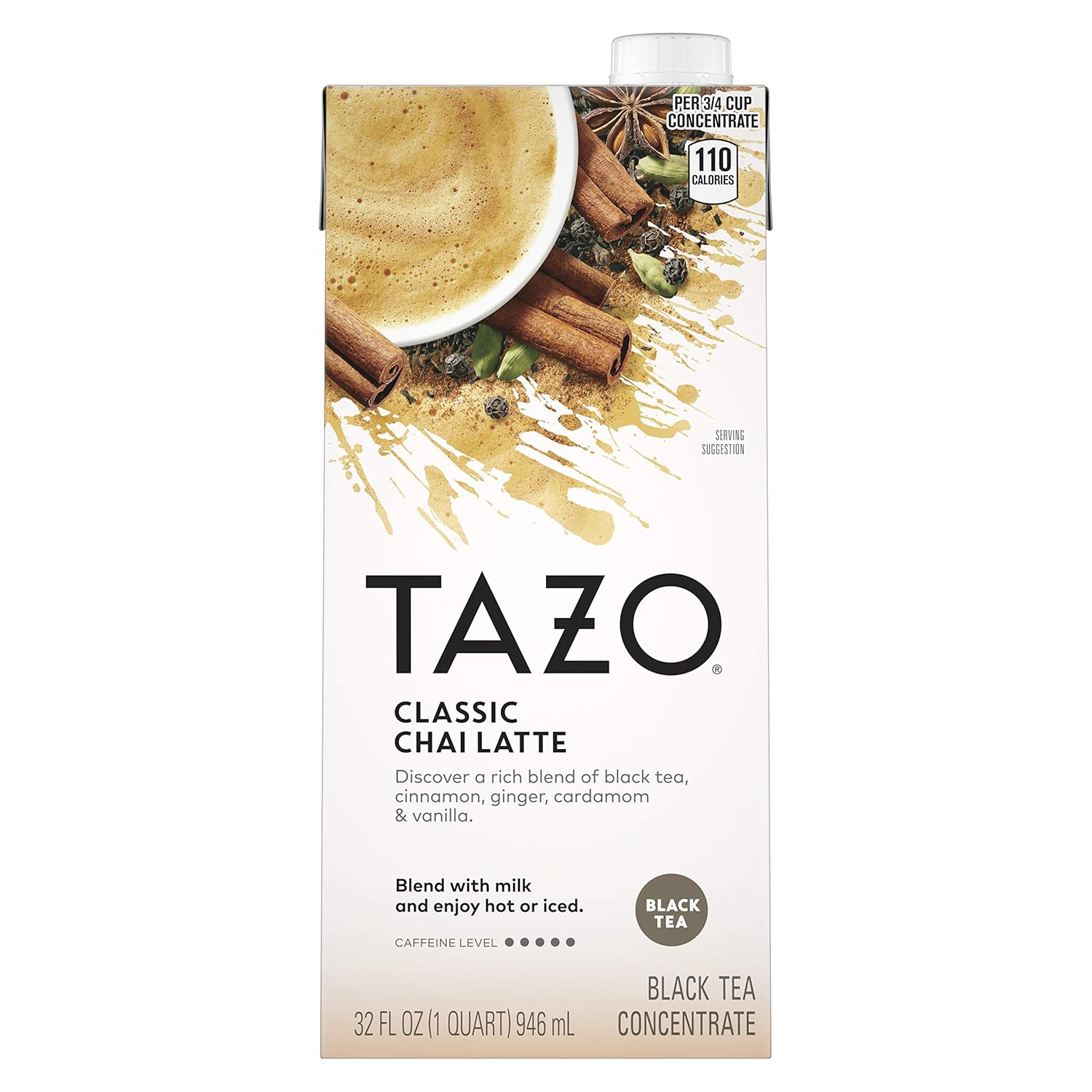
Black tea blended with warming spices like cardamom, cinnamon, ginger, and cloves. Traditionally brewed with milk and sugar. Full of flavor and warming spices. Brew at 212°F for 3-5 minutes, or simmer with spices and milk.
Other Notable Black Teas
Ceylon
Bright, citrusy black tea from Sri Lanka, known for its clean, crisp flavor. Great for iced tea and blends. Ranges from light to bold depending on the elevation. Brew at 200-212°F for 3-5 minutes.
Kenyan
A brisk, bold black tea from Kenya, often used in breakfast blends. Has a rich, full flavor with bright, malty notes. Excellent for strong cups of tea. Brew at 200-212°F for 3-5 minutes.
Health Benefits of Black Tea
Heart Health
Black tea contains flavonoids that support cardiovascular health. Studies suggest regular consumption may help reduce the risk of heart disease, lower blood pressure, and improve cholesterol levels.
Antioxidants
While black tea has fewer catechins than green tea, it contains unique antioxidants called theaflavins and thearubigins, formed during the oxidation process. These compounds have strong antioxidant properties.
Mental Alertness
The caffeine in black tea can improve mental alertness and focus. Black tea also contains L-theanine, which works with caffeine to provide sustained energy without the crash.
Digestive Health
The tannins in black tea may help soothe digestive issues. Some studies suggest black tea may support gut health and aid digestion.
Immune Support
Black tea contains compounds that may help strengthen the immune system and fight off infections.
How to Brew Black Tea
Water Temperature
Black tea requires hotter water than green or white tea. Use freshly boiled water at 200-212°F (93-100°C) for the best results. Boiling water helps extract the full flavor from black tea leaves.
Steeping Time
Steep black tea for 3-5 minutes. Shorter steeping (3 minutes) produces a lighter, more delicate cup, while longer steeping (5 minutes) creates a stronger, bolder flavor. Be careful not to over-steep, as it can make the tea bitter.
Amount of Tea
Use 1 teaspoon (2-3 grams) of loose leaf tea per 8 ounces of water. For stronger tea, use more leaves rather than longer steeping time.
Brewing Steps
- Heat water to a rolling boil (200-212°F)
- Preheat your teapot or cup with hot water
- Add black tea leaves to your infuser or teapot
- Pour boiling water over the leaves
- Steep for 3-5 minutes (adjust to your taste preference)
- Remove leaves immediately to prevent over-steeping
- Enjoy plain, or add milk, sugar, lemon, or honey to taste
Serving Black Tea
Black tea is versatile and can be enjoyed in many ways:
- Plain: Savor the natural flavors without additions
- With Milk: Traditional in many cultures, milk softens the tannins
- With Lemon: Adds brightness and complements citrusy teas
- Iced: Make a strong brew and pour over ice for refreshing iced tea
- Sweetened: Add sugar, honey, or other sweeteners to taste
Tips for the Perfect Cup
- Use fresh water: Start with fresh, cold water for the best flavor
- Don't reboil water: Reboiled water loses oxygen and can taste flat
- Preheat your teapot: Warming your teapot helps maintain brewing temperature
- Measure carefully: Use the right amount of tea for consistent results
- Store properly: Keep black tea in an airtight container away from light, moisture, and strong odors
- Consume within 2 years: Black tea stays fresh longer than green tea but is best within 1-2 years
Choosing Quality Black Tea
What to Look For
- Whole or broken leaves: Both can be quality, but whole leaves often indicate higher grade
- Consistent color: Leaves should be uniformly dark brown or black
- Pleasant aroma: Should smell fresh and inviting, not stale or musty
- Origin information: Quality teas include information about origin and harvest
Popular Black Tea Grades
- OP (Orange Pekoe): Full-leaf grade, the basic quality grade
- FOP (Flowery Orange Pekoe): Higher quality with tips
- BOP (Broken Orange Pekoe): Broken leaves, often used in tea bags
- CTC (Crush, Tear, Curl): Small pellets, very strong flavor, good for blends
Where to Buy
For the best quality, purchase from reputable tea vendors who specialize in black tea. Look for vendors that:
- Source from specific tea-growing regions
- Provide harvest and origin information
- Store tea properly to maintain freshness
- Offer a variety of black tea types
Explore Black Tea Varieties
Discover quality black tea vendors and explore different varieties from around the world.
Amazon Tea Picks
Discover our curated selection of tea products from Amazon