Tea Storage & Preservation Guide

Proper tea storage is essential for maintaining the freshness, flavor, and quality of your tea collection. Learn the best practices for storing different types of tea to preserve their unique characteristics and extend their shelf life.

Why Proper Tea Storage Matters

Tea is sensitive to its environment and can easily lose its flavor, aroma, and beneficial compounds if not stored correctly. The main enemies of tea are:

  • Light: UV rays can break down tea compounds and cause flavor degradation
  • Air: Oxygen causes oxidation, leading to stale flavors
  • Moisture: Water can cause tea to spoil and develop mold
  • Heat: High temperatures accelerate the degradation of tea compounds
  • Odors: Tea easily absorbs strong smells from its surroundings

By protecting your tea from these elements, you can preserve its quality and enjoy fresh-tasting tea for much longer.

The Five Essential Storage Principles

1. Keep It Cool

Store tea in a cool, dry place. Room temperature (around 70°F or 21°C) is ideal. Avoid storing tea near heat sources like stoves, ovens, or direct sunlight. A pantry or cupboard away from heat is perfect.

2. Keep It Dark

Light degrades tea compounds, so store tea in opaque, dark containers. If you use clear containers, keep them in a dark cupboard or drawer. Never store tea in a window or where it's exposed to direct sunlight.

3. Keep It Dry

Moisture is one of the biggest threats to tea. Keep tea away from humid areas like above the stove or near the sink. Use airtight containers to prevent moisture from entering. If you live in a humid climate, consider using desiccant packets in your storage containers.

4. Keep It Sealed

Air exposure causes tea to oxidize and lose freshness. Always use airtight containers with tight-fitting lids. Vacuum-sealed containers are ideal for long-term storage, especially for teas you won't use immediately.

5. Keep It Isolated

Tea easily absorbs odors from its environment. Store tea away from strongly scented items like spices, coffee, cleaning products, or perfumes. Keep different types of tea in separate containers to prevent flavor contamination.

Best Storage Containers for Tea

Tin Canisters

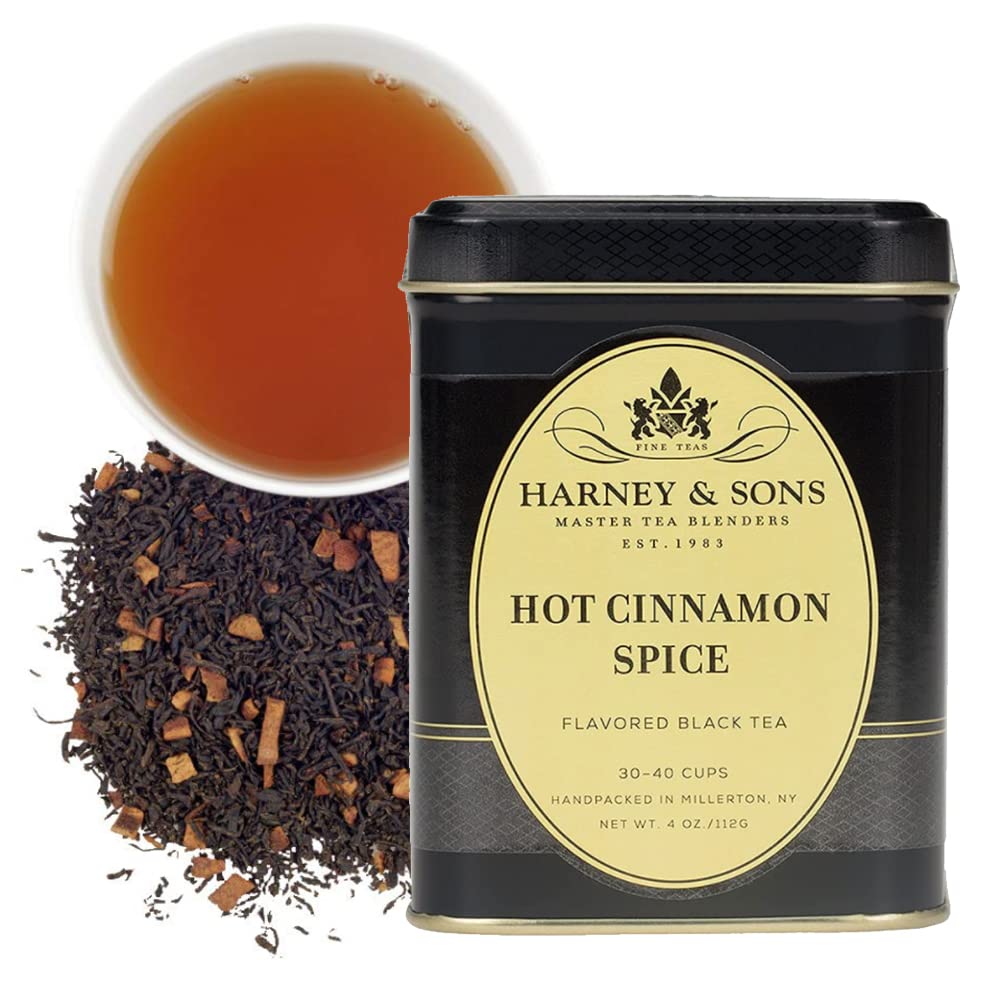
Metal tin canisters are excellent for tea storage. They're opaque (blocking light), airtight when sealed properly, and provide good protection. Look for tins with tight-fitting lids and inner seals.

Ceramic Jars

Ceramic or porcelain jars with airtight lids are ideal, especially if they're glazed on the inside. They're opaque, don't retain odors, and maintain consistent temperature. Make sure the lid creates a tight seal.

Glass Jars (Stored in Dark)

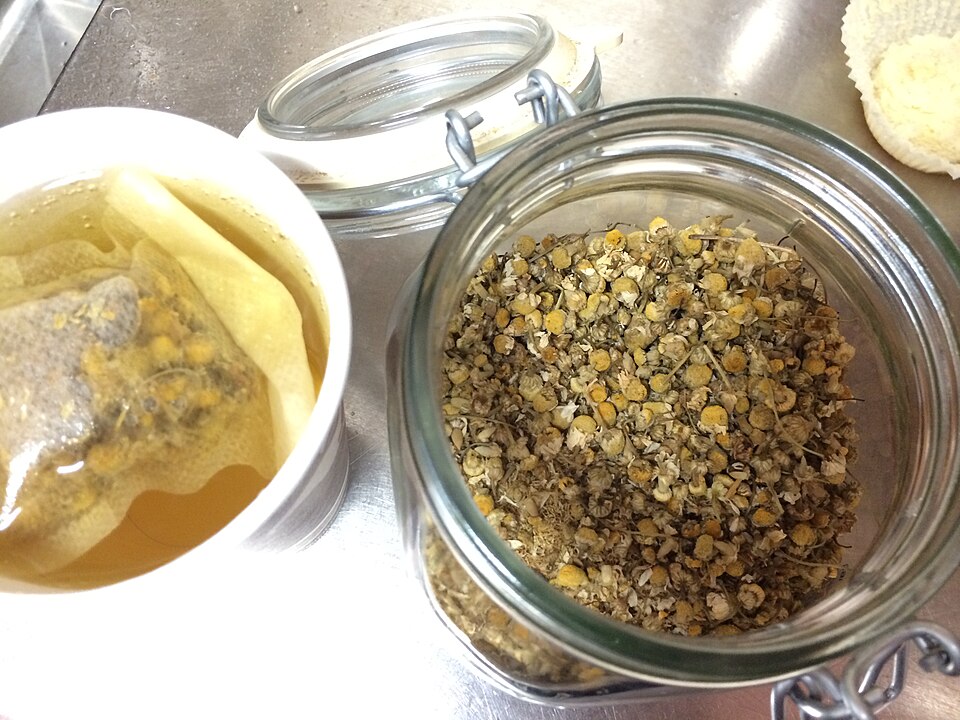
Glass jars are fine for tea storage if you keep them in a dark cupboard or drawer. They allow you to see your tea, which can be convenient, but must be kept away from light. Ensure the lid is airtight.

Vacuum-Sealed Bags

For long-term storage or bulk purchases, vacuum-sealed bags are excellent. They remove air, preventing oxidation. Once opened, transfer tea to an airtight container for regular use.

What to Avoid

  • Paper bags: Not airtight and offer minimal protection
  • Cardboard boxes: Absorb moisture and odors, not airtight
  • Plastic bags: Can retain odors and may not be food-grade
  • Clear containers in light: Exposes tea to damaging UV rays

Storage Guidelines by Tea Type

Green Tea

Green tea is the most delicate and should be consumed within 6-12 months of purchase. Store in a completely airtight, opaque container in a cool, dark place. Consider refrigeration for premium green teas if you live in a warm climate, but ensure the container is moisture-proof.

White Tea

White tea also requires careful storage but can last 12-18 months when stored properly. Use opaque, airtight containers. White tea can benefit from aging if stored correctly, developing more complex flavors over time.

Black Tea

Black tea is less delicate than green or white tea due to its full oxidation. It can last 1-2 years when stored properly. Still requires airtight, opaque containers in a cool, dark, dry place.

Oolong Tea

Oolong tea keeps well for 1-2 years with proper storage. Some high-quality oolongs can be aged, developing deeper flavors. Store in airtight, opaque containers. Some tea enthusiasts store aged oolongs separately in slightly breathable containers for gradual aging.

Pu-erh Tea

Pu-erh is unique in that it benefits from aging. Store in a breathable but protected container (traditional methods use bamboo leaves or porous ceramic). Keep in a cool, dry place with good air circulation but protected from strong odors. Can be aged for many years.

Herbal Teas

Herbal teas (tisanes) vary in shelf life. Generally, they last 1-2 years. Store in airtight, opaque containers. Some herbal ingredients like chamomile flowers are more delicate and should be used within a year.

Flavored Teas

Teas with added flavors or oils (like Earl Grey with bergamot) may lose their flavoring more quickly. Store the same way as unflavored teas, but be aware that the added flavors may fade faster than the tea itself.

Special Storage Considerations

Refrigeration

Generally, refrigeration is not recommended for most teas because:

  • Condensation can introduce moisture when containers are removed from the fridge
  • Tea can absorb odors from other foods
  • The constant temperature changes can degrade tea quality

However, if you live in a very hot, humid climate, refrigeration may help preserve delicate green teas. If refrigerating, use completely airtight, moisture-proof containers and let them come to room temperature before opening to prevent condensation.

Freezing Tea

Freezing tea is generally not recommended. The freezing and thawing process can damage tea leaves and affect flavor. Additionally, if not properly sealed, tea can absorb freezer odors.

Bulk Storage

If you buy tea in bulk, divide it into smaller portions. Keep most of it sealed for long-term storage and open only what you'll use within a few weeks. This prevents the entire supply from being exposed to air each time you make tea.

Tea Bags vs. Loose Leaf

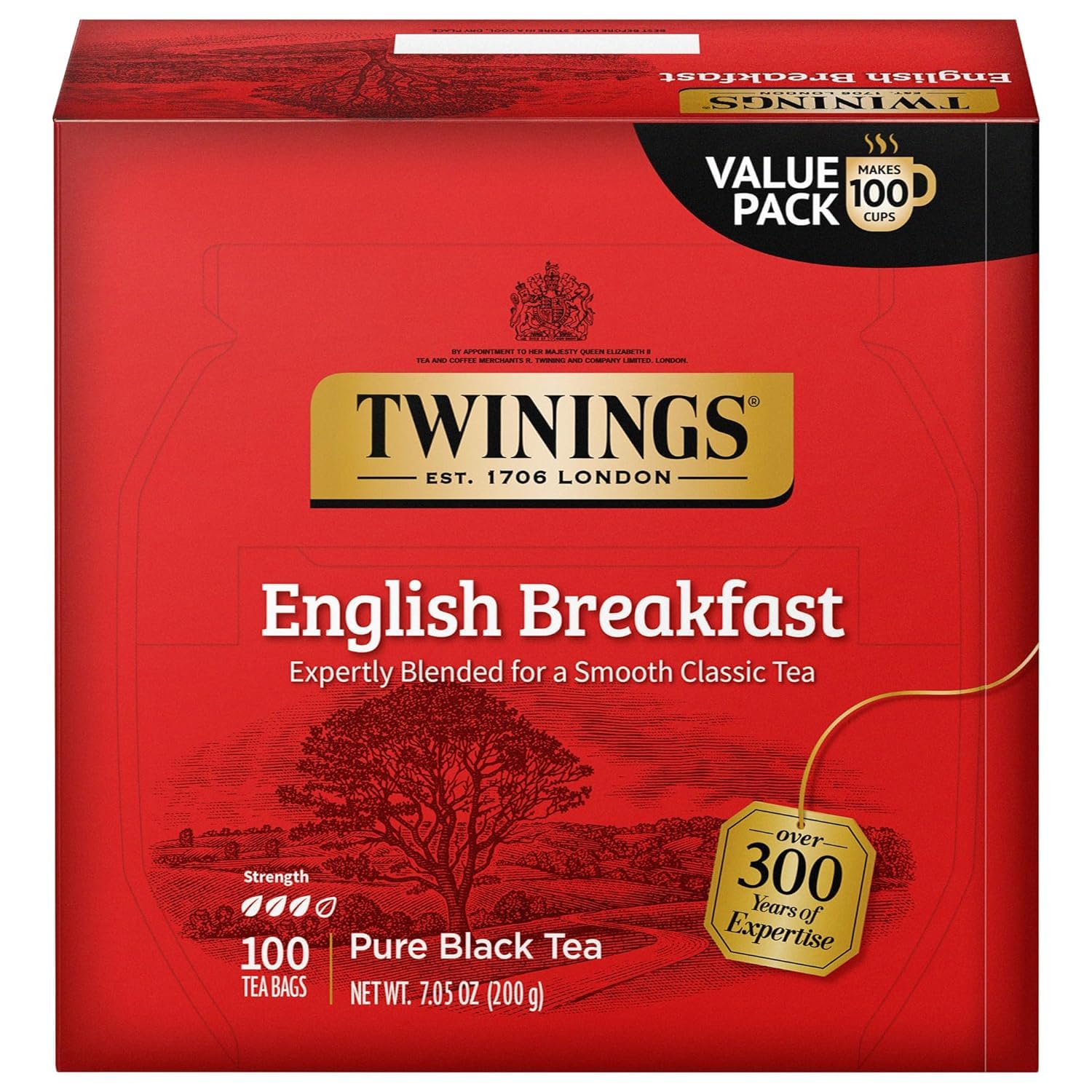
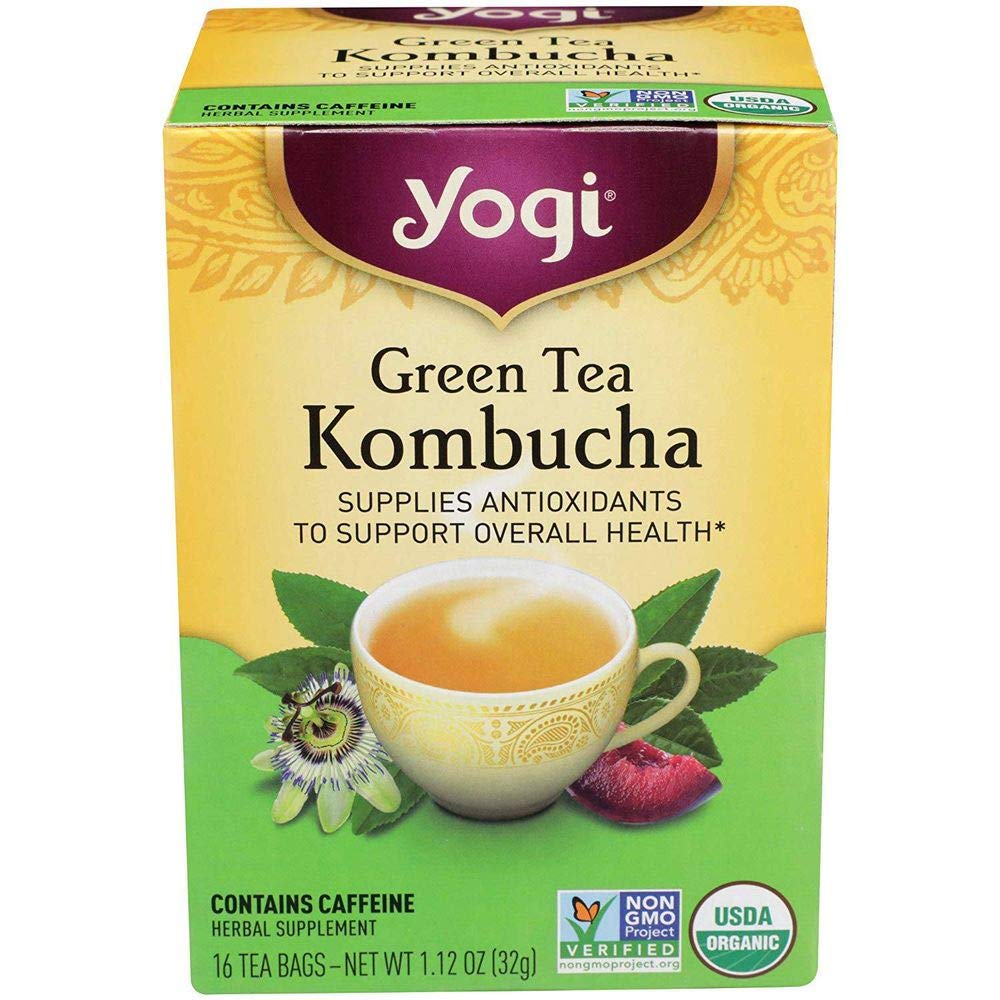
Tea bags stored in paper boxes should be kept in their original container in a cool, dark, dry place. Consider transferring to an airtight container if the box doesn't seal well. Loose leaf tea generally stays fresher longer than tea bags due to less surface area exposed to air.

Quick Storage Checklist

  • ✓ Store in a cool, dark, dry place (around 70°F/21°C)
  • ✓ Use opaque, airtight containers with tight-fitting lids
  • ✓ Keep different tea types in separate containers
  • ✓ Store away from heat sources, moisture, and strong odors
  • ✓ Use tea within recommended timeframes for best flavor
  • ✓ Label containers with tea type and purchase/opening date
  • ✓ Don't store tea bags or loose leaf in the refrigerator (unless in a hot, humid climate)
  • ✓ Buy only what you'll use within the recommended timeframe

How to Tell If Tea Has Gone Bad

Signs of Stale or Bad Tea

  • Loss of Aroma: Tea should have a pleasant, characteristic smell. If it smells musty, flat, or has no aroma, it's likely stale.
  • Mold: Visible mold or a musty, moldy smell means the tea should be discarded immediately.
  • Off Flavors: If tea tastes flat, stale, or has an off-putting flavor, it may be past its prime.
  • Change in Color: If loose leaf tea has significantly darkened or changed color, it may be oxidized beyond its peak.
  • Absorbed Odors: If tea smells like spices, coffee, or other strong scents from storage, it's absorbed odors and may taste contaminated.

What to Do with Old Tea

If tea is past its prime but not moldy, you can still use it for cooking (making tea-infused dishes) or as a natural deodorizer. However, for drinking, it's best to use fresh tea within the recommended timeframes.

Organizing Your Tea Collection

Storage System Tips

  • Group by Type: Store similar teas together (all green teas, all black teas, etc.)
  • Label Everything: Clearly label containers with tea type, origin, and date purchased/opened
  • Use Inventory: Keep a list of what you have and when you bought it to ensure you use older teas first
  • Rotate Stock: Use the "first in, first out" principle - use older teas before opening new ones
  • Designate Storage Space: Have a specific, dedicated area for tea storage in your kitchen or pantry

Find Quality Tea to Store

Purchase fresh, high-quality tea from our directory of trusted vendors to ensure the best storage results.

Browse Tea Vendors Learn to Brew

Amazon Tea Picks

Discover our curated selection of tea products from Amazon